
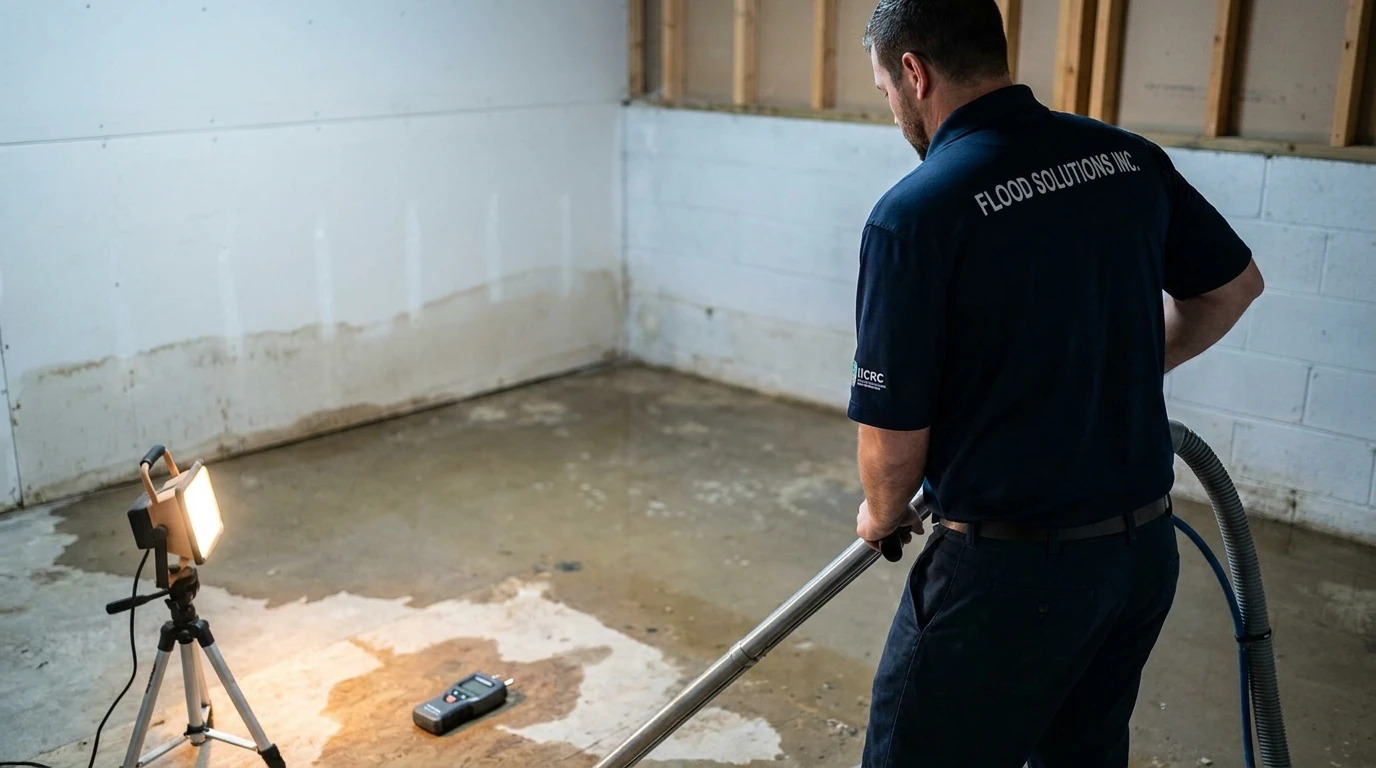
TL;DR: In Macomb, MI, water extraction typically costs $350 to $800 for a single room with clean water, and $1,000 to $8,000 or more for a finished basement with gray or sewage water. The biggest price drivers are water category (clean, gray, or sewage), square footage, and how many days of drying equipment the job needs. Insurance often covers extraction when the cause is sudden and accidental, but documentation matters.
If you’re standing in a Macomb basement right now with a few inches of water on the floor, staring at a quote and trying to figure out if the number makes sense, you’re not alone this time of year. Macomb County’s clay-heavy soil and high water table mean sump pump failures and foundation seepage hit basements hard after heavy rain, and the extraction bill is usually the first number homeowners see before the rest of the restoration estimate even arrives.
How much does water extraction cost in Macomb, MI?
Water extraction costs in Macomb typically range from $350 for a small, clean-water spot job to $8,000 or more for a finished basement soaked in gray or sewage water. The number moves with three things: how much water there is, what’s in it, and what it’s touched.
A single bedroom with a few gallons from an overflowing appliance is a half-day job. A finished basement with 2 feet of standing floodwater against drywall, carpet pad, and insulation is a multi-day job involving extraction, demolition of saturated materials, disposal, and several days of structural drying equipment running around the clock.
| Scenario | Typical Cost Range |
|---|---|
| Single room, clean water, hard flooring | $350 - $800 |
| Whole unfinished basement, clean water | $1,000 - $2,500 |
| Finished basement, gray water (washing machine, sump backup) | $2,500 - $5,500 |
| Category 3 water (sewage backup), any size | $3,500 - $8,000+ |
| After-hours emergency extraction | +$150 - $400 add-on |
| Structural drying equipment (per day, multi-day jobs) | $150 - $350/day |
These are typical ranges, not a quote. Every loss is different, and Flood Solutions inc provides a written scope before any work begins so there are no surprises on the invoice.
What actually drives the price of water extraction?
The price is driven by water category, volume, and what the water has already damaged, not by the square footage alone. A crew can extract 500 square feet of clean water from a tile floor faster and cheaper than 150 square feet of sewage-contaminated carpet.
Water category. The IICRC S500 standard classifies water loss into three categories. Category 1 is clean water from a supply line or appliance. Category 2, or gray water, carries some contamination, think washing machine discharge or a sump pump backup. Category 3, also called black water, includes sewage backups and floodwater from outside the home, and it requires full extraction, disposal of porous materials that contacted it, and antimicrobial treatment. Category 3 jobs cost more because more material has to come out, not because the labor hours differ wildly.
Volume and square footage. More standing water means more extraction time and often more disposal weight, especially if carpet pad, insulation, or drywall has to be cut out and bagged.
Finished vs. unfinished basement. An unfinished basement with a concrete floor and no drywall is the cheapest extraction scenario. A finished basement with carpet, baseboards, and drywall that’s wicked water up the wall usually needs flood cuts, material removal, and disposal, which adds labor and dump fees on top of the extraction itself.
Response time. Water that sits for 24 to 48 hours starts breaking down drywall and growing microbial colonies, which can turn a simple extraction into a remediation job. Calling for extraction the same day the water appears keeps the job smaller and the bill lower.
Drying equipment days. Extraction removes standing water, but structural materials (subfloor, wall cavities, framing) still need days of air movers and dehumidifiers running to reach a dry standard. Most residential jobs run 3 to 5 days of equipment, billed per day or per piece.
Does homeowners insurance cover water extraction costs?
Most homeowners policies cover water extraction when the water loss is sudden and accidental, such as a burst pipe, failed water heater, or a one-time sump pump failure, but not gradual leaks or routine groundwater seepage. Sewage backup coverage is often a separate rider that has to be added to the policy ahead of time.
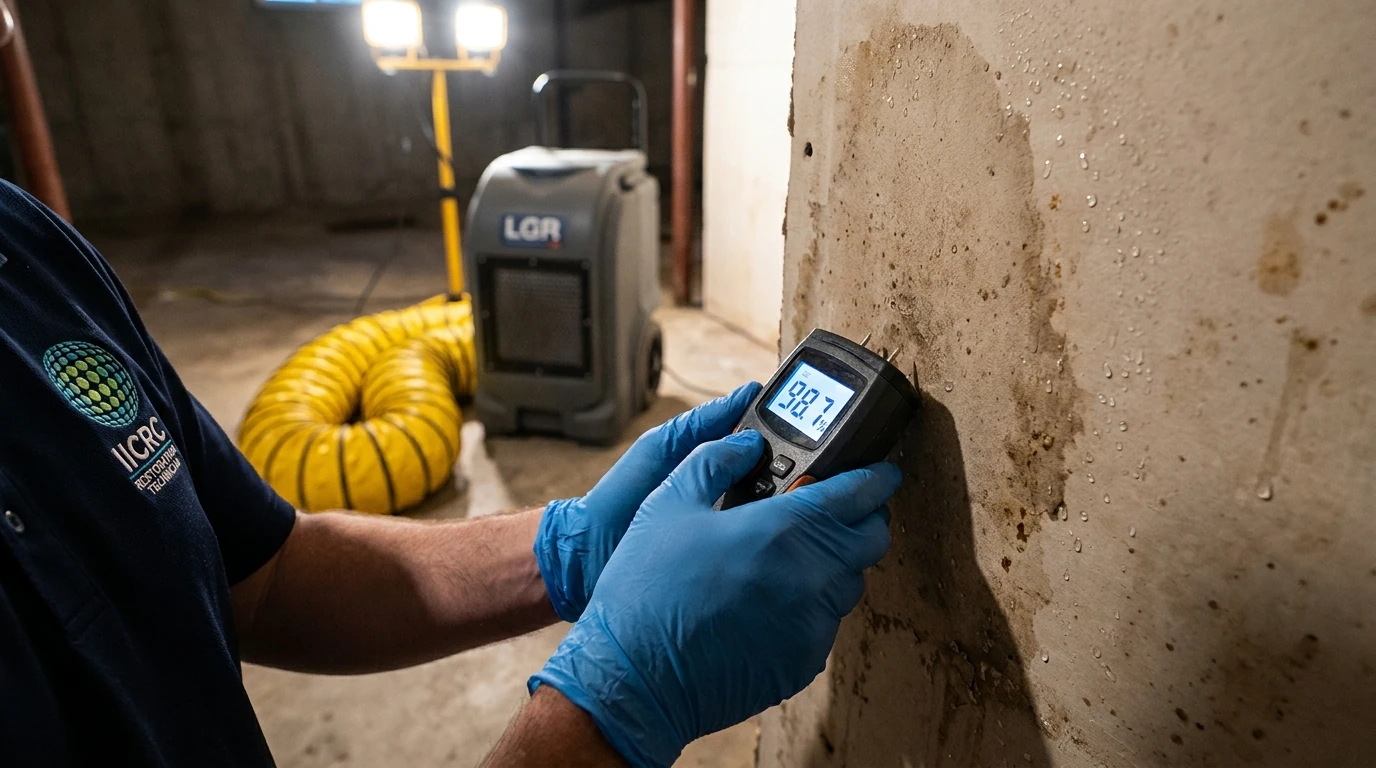
The documentation matters as much as the cause. Adjusters want moisture readings, photos of the affected materials before removal, and an itemized scope showing what was extracted and why. Flood Solutions inc documents every job with moisture maps and photos specifically because that record is what gets a claim paid without a fight. If you haven’t filed yet, our guide on what to do in the first 24 hours after water damage walks through the documentation steps before extraction even starts.
If you want the full line-item breakdown for a complete restoration job, not just the extraction step, see our water damage restoration cost guide for Macomb, which covers drying, repairs, and reconstruction pricing separately.
What does the water extraction process actually involve?
Water extraction is a multi-step process: assess and classify the water, extract standing water with pumps or truck-mounted vacuums, remove unsalvageable materials, then set structural drying equipment and monitor it to a dry standard.
- Assessment and classification. A technician identifies the water category, measures moisture in affected materials, and maps the extent of the loss.
- Extraction. Submersible pumps handle standing water over a few inches deep; truck-mounted or portable extractors pull water from carpet, pad, and hard flooring.
- Material removal. Carpet pad almost never gets salvaged once saturated. Drywall below the waterline, insulation, and any Category 3-contacted porous material gets cut out and disposed of.
- Antimicrobial application. On gray and black water jobs, affected surfaces get treated before drying begins to control microbial growth.
- Structural drying. Air movers and low-grain-refrigerant (LGR) dehumidifiers run for several days, with daily moisture readings tracked against a drying goal.
- Final verification. Moisture content is confirmed at or below the dry standard before equipment comes out and repairs begin.
What should Macomb homeowners do before calling for an extraction quote?
Shut off the water source if you can do it safely, move what you can off the floor, and call for extraction the same day rather than waiting to see if it dries on its own. Waiting even 24 hours lets water wick further into drywall and framing, which turns an extraction job into a larger remediation job.
Take photos of the standing water and affected areas before anyone starts moving things, since that’s the record your insurer will ask for. Then get a written scope from whoever comes out, not a verbal ballpark, so you know exactly what you’re paying for and why.
Flood Solutions inc has operated in Macomb County since 1996 and runs a 24/7 emergency line, so extraction can start the same day water shows up rather than after a multi-day wait. Call Flood Solutions inc at (586) 580-0197 to schedule a water extraction assessment, or start with our emergency water removal page for the full service scope.
Every flooded basement is a different job, and the only way to know your real number is a site visit and a written scope, not a phone estimate.